
HOW TO SPELL EMPIRE
The ›Tatar-Camp‹ Weinberge
A film by Markus Schlaffke
Synopsis
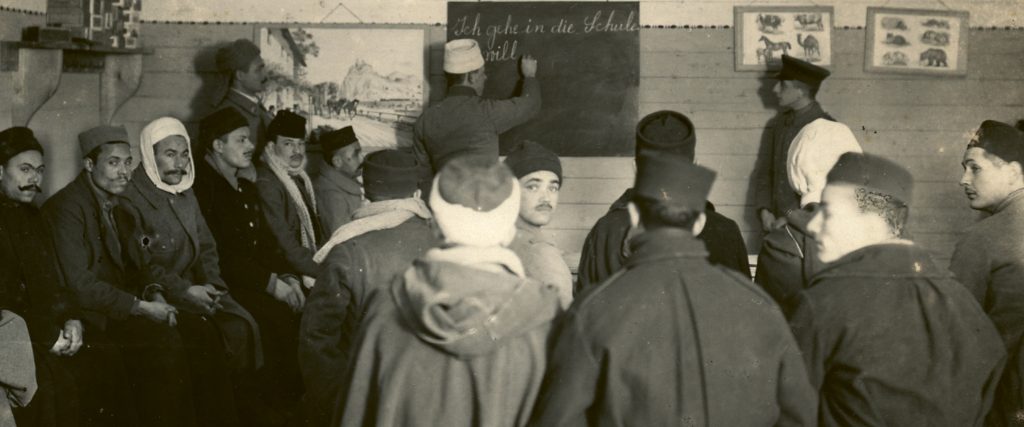
Der Film erzählt die Geschichte der Tataren – der russischen Muslime, die in den deutschen Kriegsgefangenenlagern des ersten Weltkriegs zu islamistischen Kämpfern umerzogen werden sollten. Während die Deutschen versuchten, die gefangenen Tataren auf ihre Seite zu ziehen, nutzten die Tataren die Zeit in den Lagern, um sich zu bilden und Pläne für eine Befreiung von der russischen Herrschaft zu schmieden. In Deutschland erinnert heute wenig an diese Geschichte, aber im kulturellen Gedächtnis vieler Tataren hallen Erinnerungen an die Erfahrung ihrer Gefangenschaft bis heute nach.
How to spell Empire
The film tells the story of the Tatars – Russian Muslims, who were to be re-educated as Islamist fighters in the German prisoner-of-war camps during the First World War. While the Germans tried to win the captured Tatars over to their side, the Tatars used their time in the camps to educate themselves and make plans for liberation from Russian imperial rule. In Germany today, little recalls this story, but in the cultural memory of many Tatars, memories of their experience of captivity still resonate.
Director: Markus Schlaffke
In collaboration with Dr. Gerdien Jonker, Dr. Marat Gibatdinov and Dr. Leila Almazova
90 minutes | german, englisch, tatar
Germany 2025
Герман җире – кара үлән
Әлеге фильм Беренче бөтендөнья сугышы елларында Алманиядәге хәрби әсирләр лагерьларына эләккән Казан татарлары тарихын бәян итә. Алмания императоры IIнче Вильһельм исеменнән алып барылган сәясәт буенча, мөселман халык булган татарлар Алманиянең союздашы — Госманлы империясе байрагы астына күчеп, Русия империясенә каршы җиһадта катнашырга тиеш дип саналган.
Ләкин татар әсирләре идеологик эшкәртүгә каршы торып, үз сәясәтләрен алып бару юлларын тапканнар, телләрен, тарихларын һәм белемнәрен саклап кына калмыйча, аны үстерә дә алганнар. Алар кичергән фаҗигалы вакыйгалар бүгенге татар халкының мәдәни хәтерендә дә яши.
Фильмның режиссёры: Маркус Шлаффке.
Катнашканнар: тарих фәннәре докторы Гердиен Йонкер, Марат Гыйбатдинов, Ләйлә Алмазова
Дәвамлылыгы: 90 минут
Теле: татарча, урысча асъязмалар / субтитрлар белән
Ил: Алмания, 2025
Герман җире – кара үлән
Фильм рассказывает о судьбе казанских татар, оказавшихся в лагерях военнопленных на территории Германии в годы Первой мировой войны.
Согласно политике, проводимой от имени императора Вильгельма II, мусульманские народы, включая татар, должны были перейти под знамёна союзной Германии Османской империи и принять участие в джихаде против Российской империи.
Однако татарские военнопленные оказали сопротивление идеологической обработке. Они нашли пути к сохранению и развитию собственного языка, истории и образования, сумев выстроить свою независимую культурную и политическую линию. Их трагическая судьба и мужество оставили след в культурной памяти татарского народа.
Режиссёр: Маркус Шлаффке
Участвуют: доктор исторических наук Гердиен Йонкер, Марат Гибатдинов, Ләйлә Алмазова
Продолжительность: 90 минут
Язык фильма: татарский (с русскими субтитрами)
Страна: Германия, 2025
An archive-driven documentary essay exploring colonial propaganda, Muslim prisoners of war, transnational memory and the afterlives of empire.
„To a German viewer, this film exposes the workings of any empire – which uses peoples and identities as tools for its own political ends. But for Tatars, the film carries another layer of meaning. First, it is a tribute to the hundreds of fallen Tatar soldiers, whose graves – marked with full names – Markus Schlaffke discovered and identified in the cemetery of Zossen. Second, it is a hymn to those who survived and managed to preserve their humanity. And third, it is a celebration of the Tatar spirit: even in captivity, they remained loyal to their people, language, and culture.“ (Dr. Leila Almazova)
Director
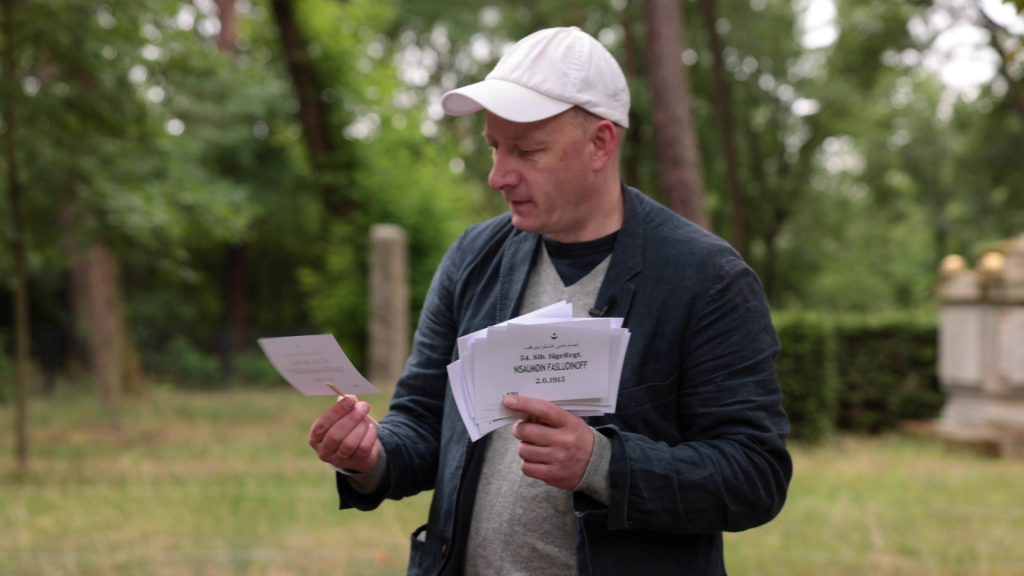
Der Dokumentarfilmer, Kulturhistoriker und Autor Dr. Markus Schlaffke arbeitet zu Fragen des performativen Gedächtnisses und der Ästhetik von Archiven und erforscht die verflochtene Kulturgeschichte der Moderne zwischen Zentralasien und Europa.
German documentary filmmaker, researcher and writer Dr.
Markus Schlaffke works on questions of performative memory, the aesthetics of archives and researches the intertwined
cultural history of modernity between Central Asia and Europe.
About
„How to spell Empire“ entfaltet vor dem historischen Panorama des Ersten Weltkriegs die globalen Zusammenhänge einer Lokalgeschichte, deren Wirkung bis in die Gegenwart reicht.
In der Umgebung von Berlin wurden von 1914-18 muslimische Kriegsgefangene in Sonderlagern gefangen gehalten. Unter ihnen auch zehntausende sogenannte Tataren – die muslimische Minderheit im russischen Zarenreich. Mittels islamistischer Propaganda versuchten die Deutschen sie zu überzeugen, die Seiten zu wechseln und für die deutsche Kriegsallianz zu kämpfen. Viele Tataren nutzen jedoch die Zeit ihrer Gefangenschaft, um sich weiterzubilden, Pläne für die eigene nationale Unabhängigkeit zu schmieden und so ihre Rolle zwischen den Fronten der Imperialmächte neu auszubuchstabieren.
Die Filmerzählung entfaltet sich anhand zweier entgegengesetzter Lebensgeschichten: der des deutschen Diplomaten und Orientalisten Max von Oppenheim, der die Idee der deutschen Dschihadstrategie im Ersten Weltkrieg entwickelte und des tatarischen Islamgelehrten Abdurreshid Ibrahim, der sich für eine tatarische Bildungsreform engagierte und für die nationale Unabhängigkeit der Tataren eintrat.
Beginnend bei wenigen materiellen Spuren der Gefangenenlager in Deutschland legt der Film nach und nach offen, wie die Politisierung des Islams an der Entstehung einer neuen Weltordnung mitwirkte und im kulturellen Gedächtnis vieler Tataren bis heue nachhallt. Markus Schlaffke erzählt diese Geschichte mit Methoden der künstlerischen Forschung, indem er wissenschaftliche Archivrecherche, ästhetische Quellenkritik und die eigene Erzählposition miteinander zum Sprechen bringt.
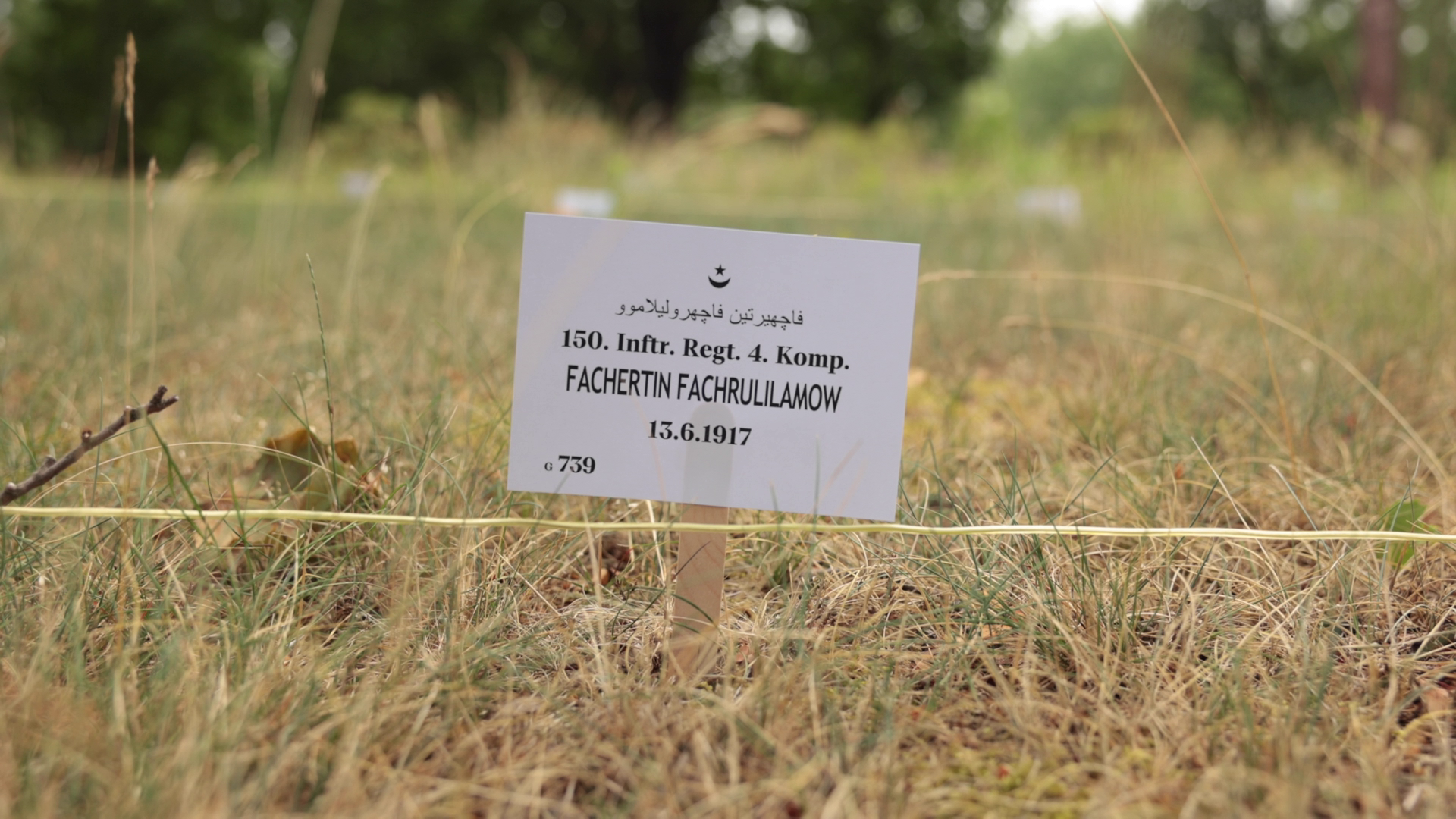
Schlaffke arbeitete für dieses Projekt mit HistorikerIinnen aus Deutschland und Tatarstan, zahlreichen internationalen Archiven sowie mit VertreterInnen der tatarischen Diasporagemeinschaft in Deutschland zusammen. Mit ihrer Hilfe war es möglich, bisher kaum bekannte Archivdokumente zu zusammenzuführen und schließlich auch über 400 tatarische Gräber auf dem Gefangenenfriedhof in Zehrensdorf zu identifizieren und zu markieren. Der Film leistet damit einen eigenen Beitrag zur Pflege eines bedeutsamen deutsch-tatarischen Erinnungsortes.
Zum ersten Mal wird die Geschichte der tatarischen Kriegsgefangenschaft in einer eigenen Sprachfassung des Films auch vollständig in tatarischer Sprache erzählt.

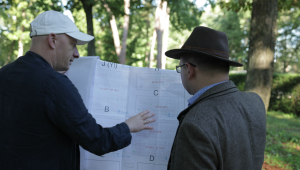
„How to Spell Empire“, unfolds against the historical backdrop of the First World War to reveal the global entanglements of a local history whose consequences continue to resonate today.
Between 1914 and 1918, Muslim prisoners of war were held in special camps near Berlin. Among them were tens of thousands of so-called Tatars, the Muslim minority of the Russian Empire. Through Islamist propaganda, the German authorities sought to persuade them to change sides and fight for Germany and its allies. Many Tatars, however, used their years of captivity to pursue education, develop plans for national self-determination, and redefine their position between the competing imperial powers.
The film develops through two contrasting biographies: that of the German diplomat and Orientalist Max von Oppenheim, who conceived Germany‘s First World War jihad strategy, and that of the Tatar Islamic scholar Abdurreshid Ibrahim, who advocated educational reform and campaigned for Tatar national independence.
Beginning with the few surviving material traces of the prisoner-of-war camps in Germany, the film gradually reveals how the political instrumentalisation of Islam contributed to the emergence of a new global order and continues to reverberate in the cultural memory of many Tatars. Markus Schlaffke tells this story through the methods of artistic research, bringing archival scholarship, aesthetic source criticism, and his own narrative perspective into dialogue.
For this project, Schlaffke collaborated with historians from Germany and Tatarstan, numerous international archives, and representatives of the Tatar diaspora in Germany. Together, they brought together previously little-known archival sources and succeeded in identifying and marking more than 400 Tatar graves in the former prisoner-of-war cemetery at Zehrensdorf. In doing so, the film makes its own contribution to preserving an important German–Tatar site of remembrance.
For the first time, the history of Tatar prisoners of war is presented in a complete Tatar-language version of the film, making this shared history accessible in the language of those whose experiences it recounts.Schlaffke tells this history through methods of artistic research, bringing together scholarly archival work, aesthetic source critique, and a reflexive narrative perspective.
Credits
How to spell Empire
90 Minuten
Sprachen: deutsch, englisch, tatarisch
Deutschland 2025
Produktion: Schaumäler documentary arts&schience UG (Weimar, Deutschland)
In Zusammenarbeit mit: Dr. Gerdien Jonker, Dr. Marat Gibatdinov und Dr. Leila Almazova
Buch, Regie, Schnitt: Markus Schlaffke
Kamera: Pavel Popov
Musik: Stefano Gervasoni
Rezitation, Beratung, Übersetzung: Dr. Diliara Brileva
Übersetzung: Leila Almazova, Diliara Brileva, Aydar Khayrutdinov
Research

Archival Research: The documentary is based on extensive research in international archives. Drawing together documents from Germany and Tatarstan, the film reconstructs the history of Tatar prisoners of war during the First World War as a deeply entangled history.
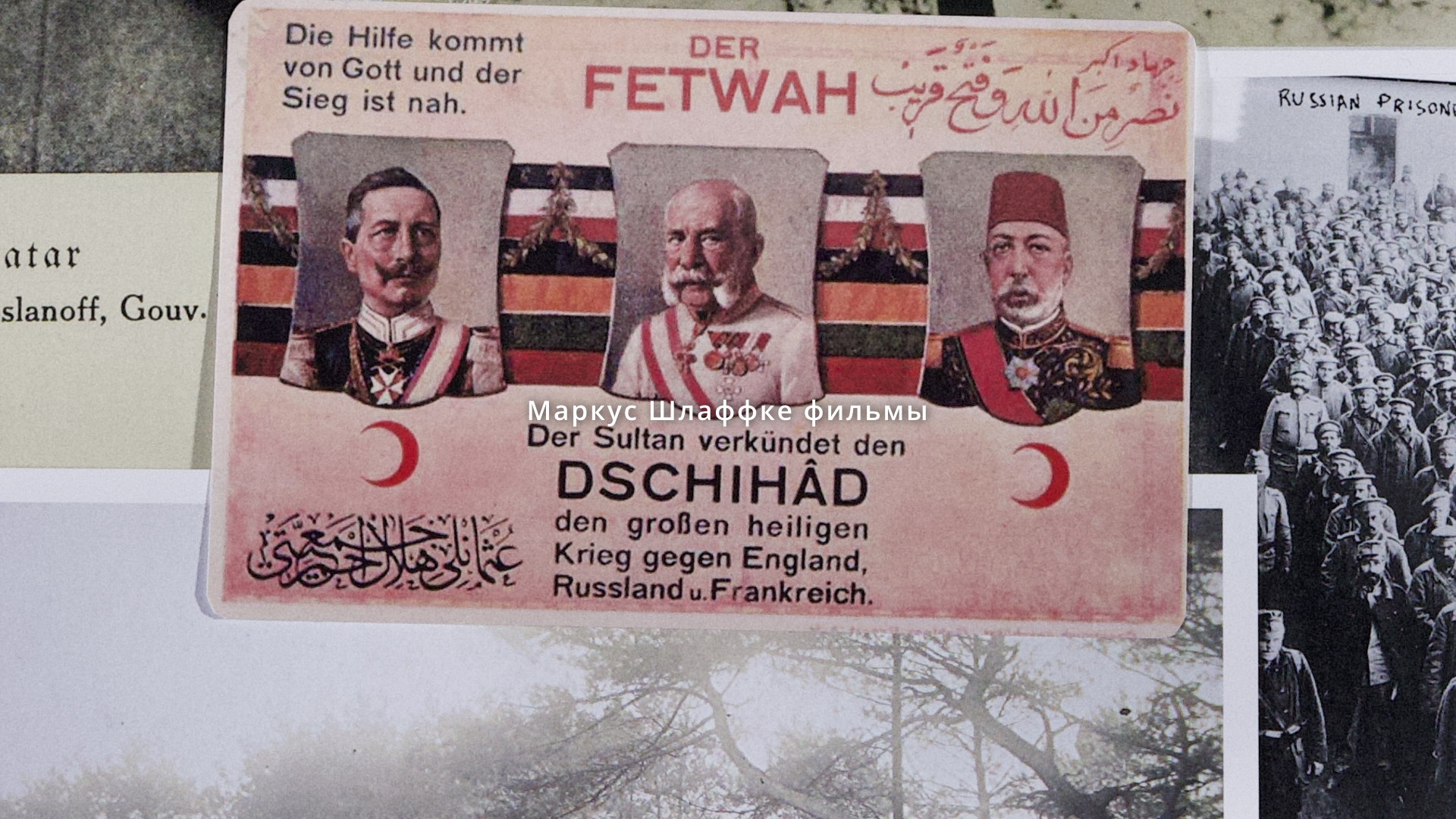
Between Empires: During the First World War, the Tatars found themselves caught between competing imperial powers. The Russian Empire relied on the loyalty of its ethnic minorities, while Germany forged an alliance with the Ottoman Empire and sought to destabilise the colonial hinterlands of its wartime enemies—Britain, France, and Russia.
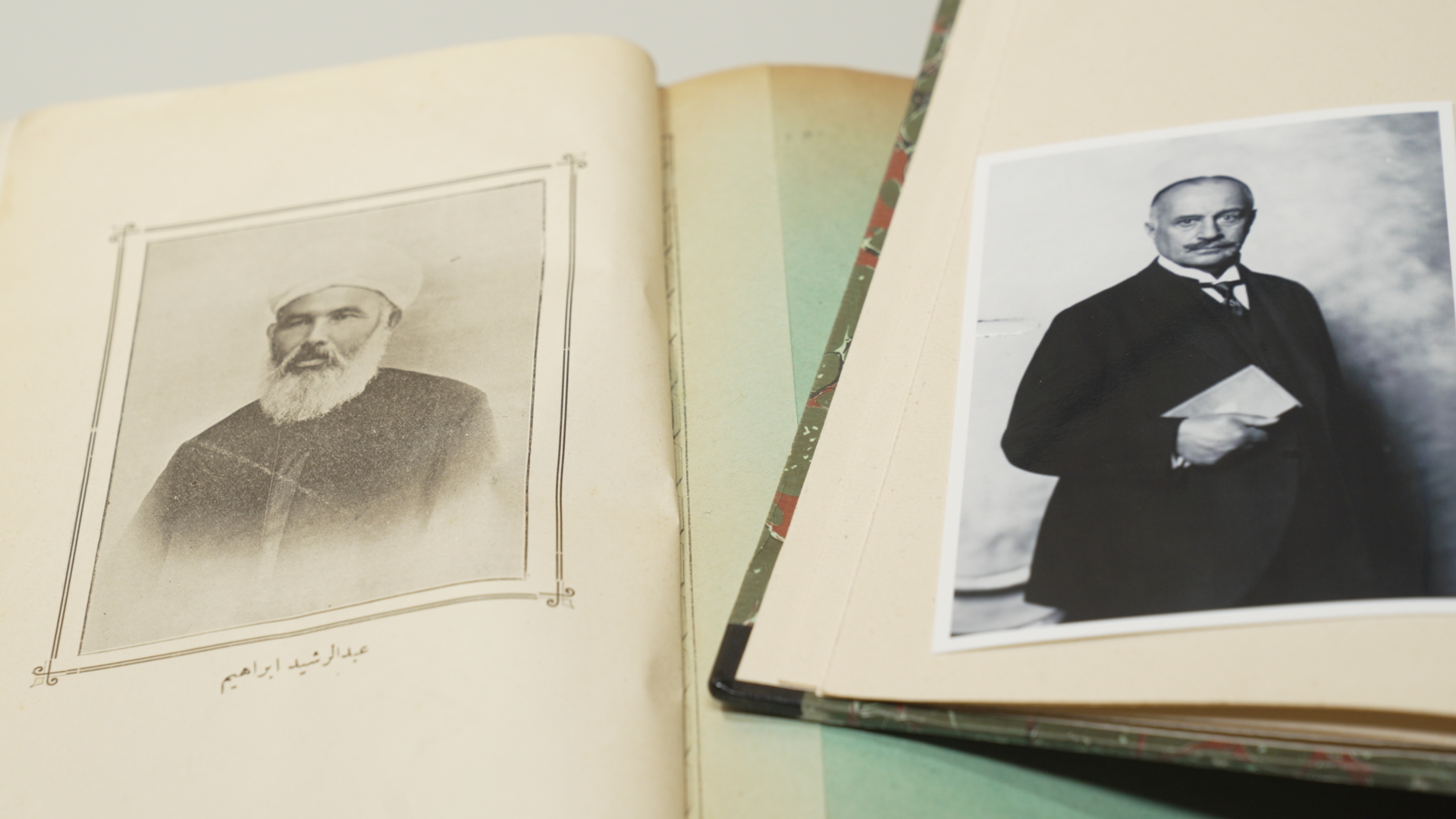
Parallel Biographies: The Tatar Islamic scholar Abdurreshid Ibrahim and the German diplomat and Orientalist Max von Oppenheim operated within the same geopolitical arena but pursued fundamentally different agendas. Oppenheim sought to mobilise Muslims for a holy war against Germany’s enemies. Ibrahim, by contrast, advocated the liberation of Muslims from colonial domination and envisioned the creation of a pan-Islamic political order.
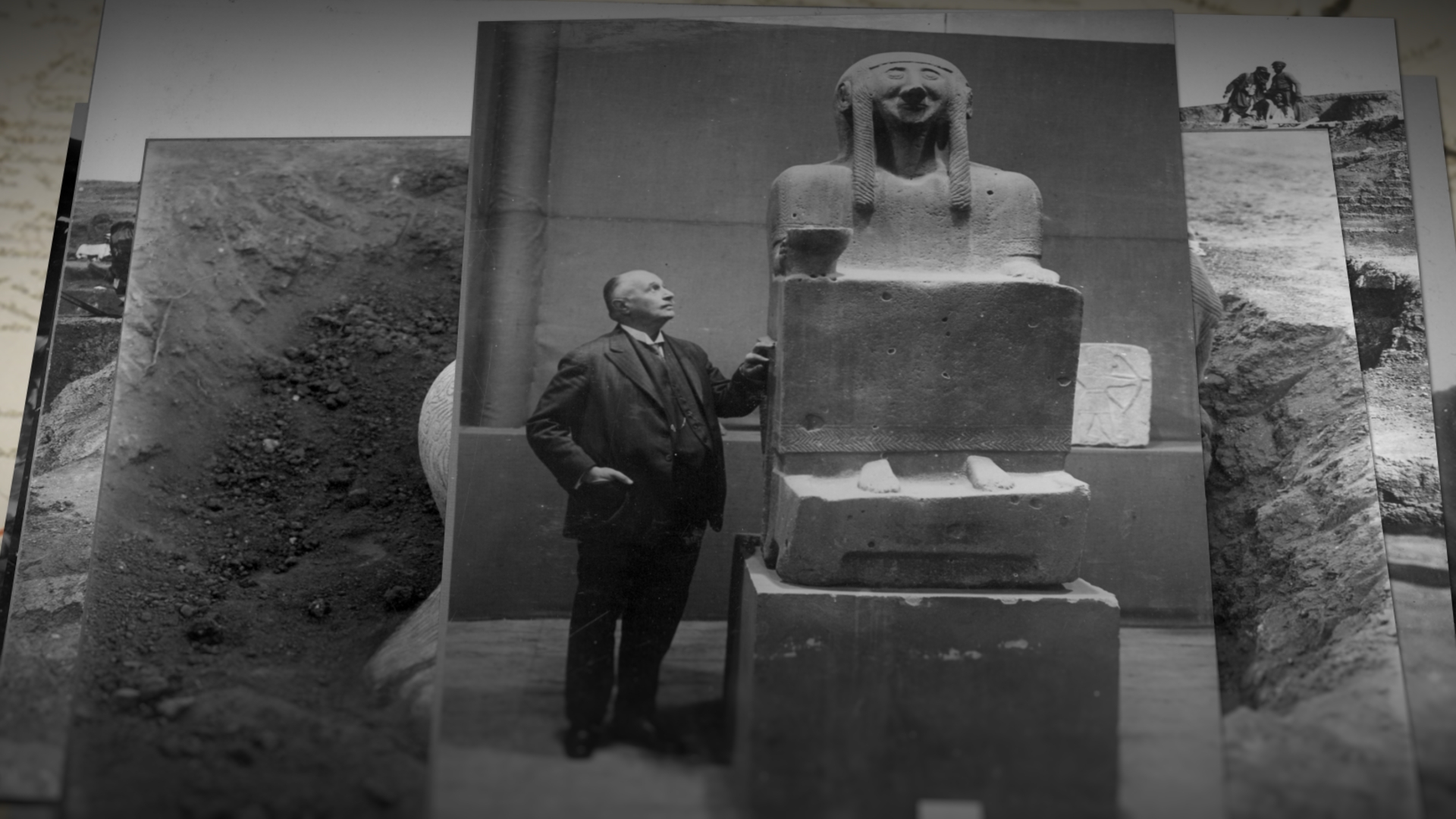
Max von Oppenheim: In a memorandum written in 1914, Max von Oppenheim convinced the German Emperor that Muslims across the world could be mobilised to launch anti-colonial uprisings in the territories controlled by Germany’s wartime enemies.
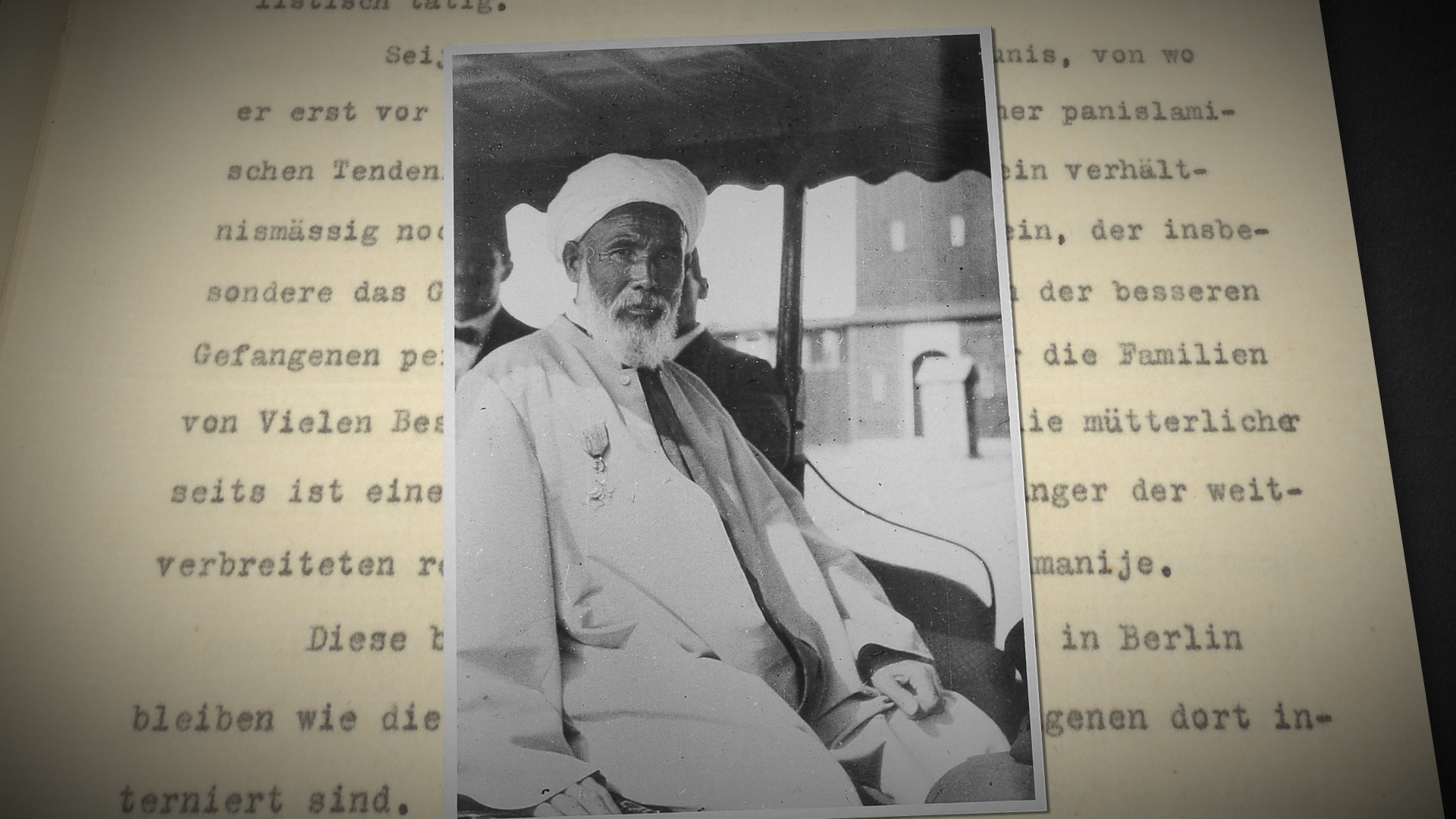
Abdurreshid Ibrahim: Around 1900, the Tatar Islamic scholar Abdurreshid Ibrahim travelled extensively throughout Asia, documenting the living conditions of the Tatar minority in the Russian Empire. He argued that national independence could only be achieved through comprehensive educational reform. In 1915, the German Foreign Office recruited Ibrahim to support Islamist propaganda among Tatar prisoners of war. Yet he skilfully exploited his position to promote his own ideas among the prisoners and successfully campaigned for the establishment of secular schools within the camps.

Sensitive Documents: Photographs, written reports, and sound recordings provide extensive documentation of the Tatar prisoner-of-war camp. Yet these sources must be approached with great caution, as much of the visual and textual documentation formed an integral part of German wartime propaganda.

Propaganda and Religion: German propaganda sought to mobilise the religious beliefs of Muslim prisoners. It did so by promoting a particular construction of Islam, one that interpreted jihad—the „holy war“—as an intrinsic political programme of the religion.
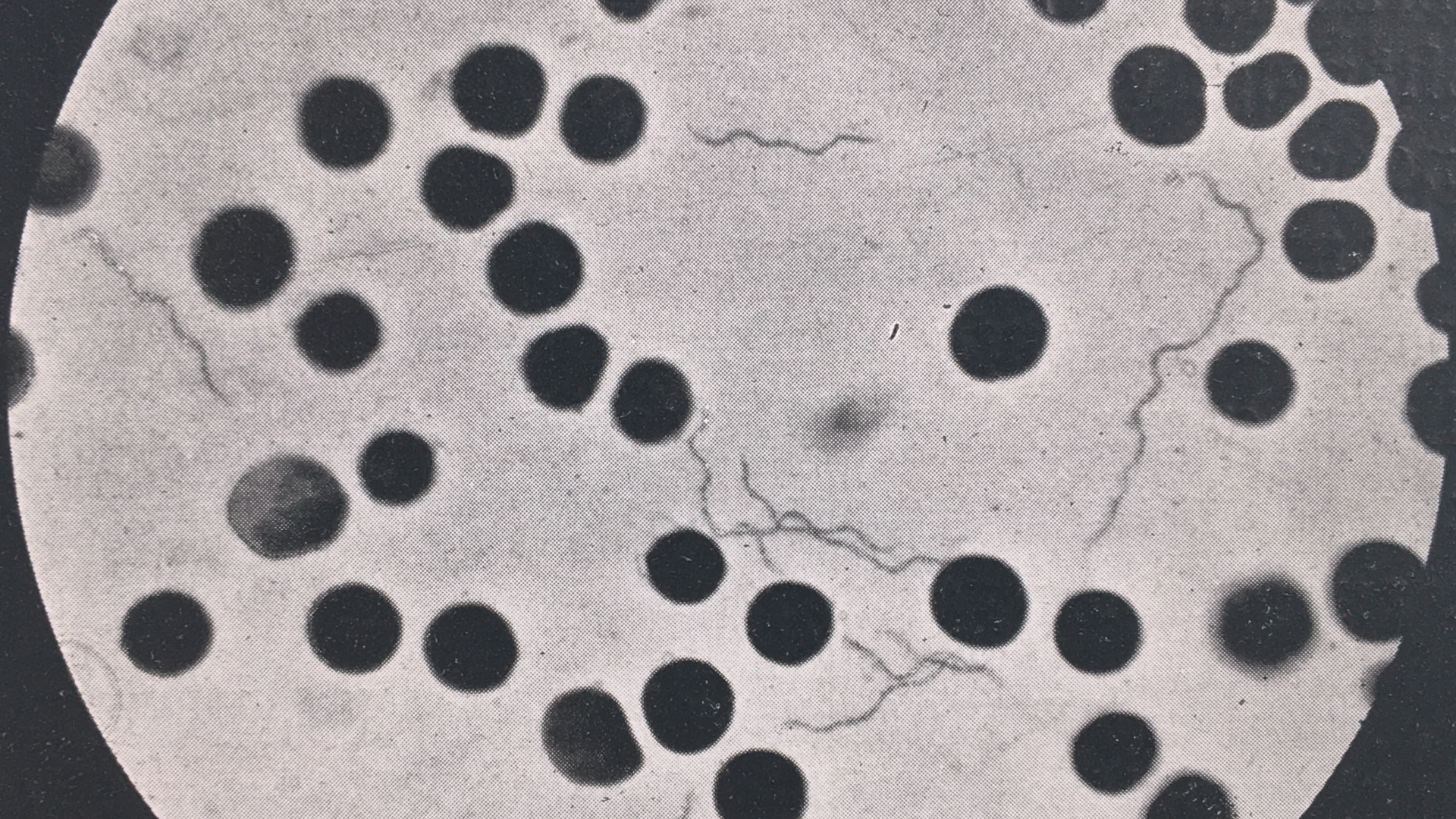
Science and Prisoners of War: During the First World War, German prisoner-of-war camps became sites of extensive scientific research. Medical data were systematically collected, contributing to advances in knowledge about the spread of infectious diseases, public health, and the organisation of large-scale accommodation facilities.
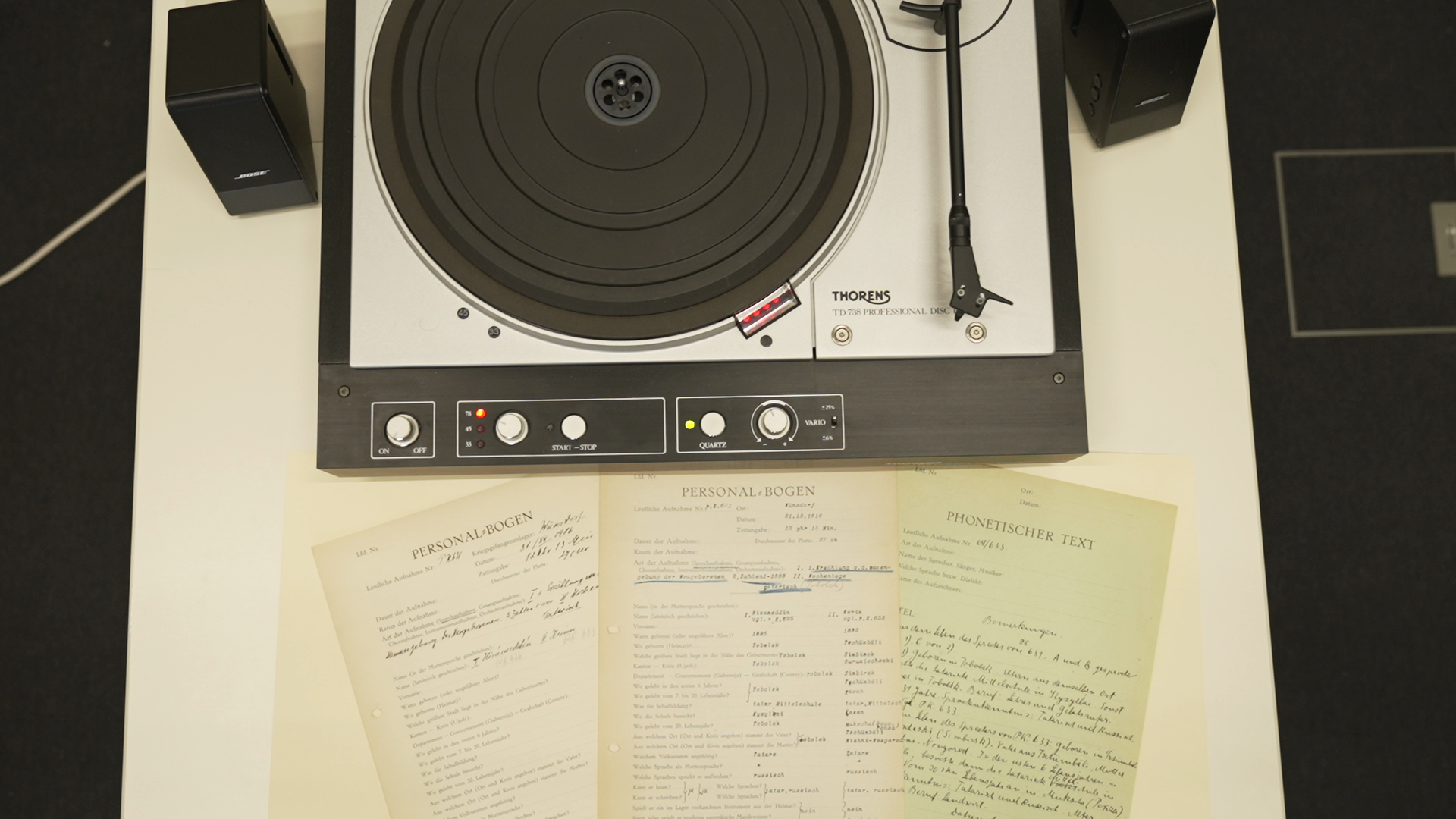
Voices of the Prisoners: Some of the most compelling personal testimonies of the prisoners emerged through the audio-ethnographic research conducted in the camps. The Royal Prussian Phonographic Commission, under the direction of linguist Wilhelm Doegen, recorded the voices of hundreds of prisoners on wax cylinders using the phonograph.
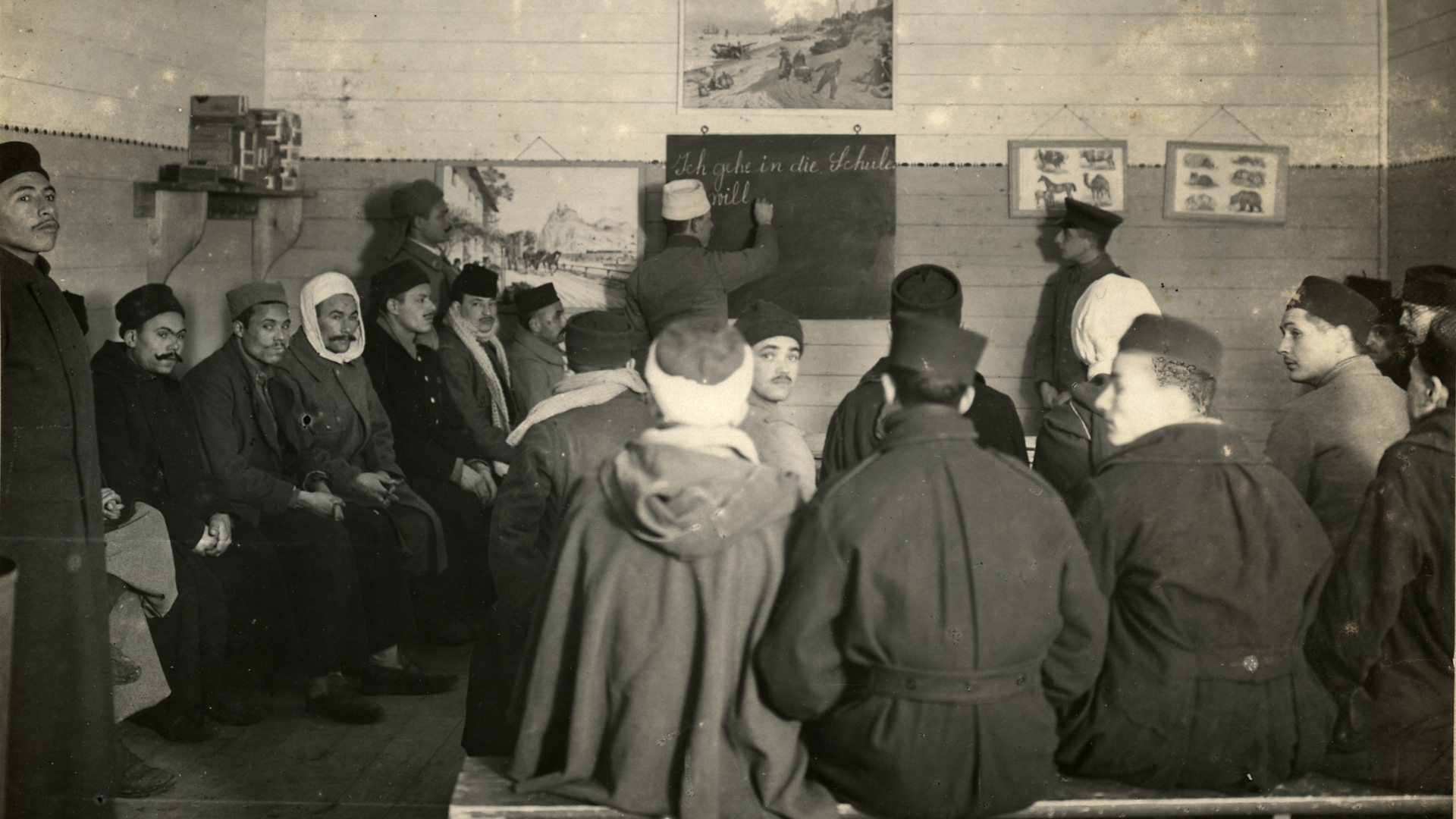
Agency: Many Tatar prisoners used their captivity to pursue their own goals. They established schools, continued their education, and thereby undermined German propaganda while advancing the project of Tatar national emancipation.
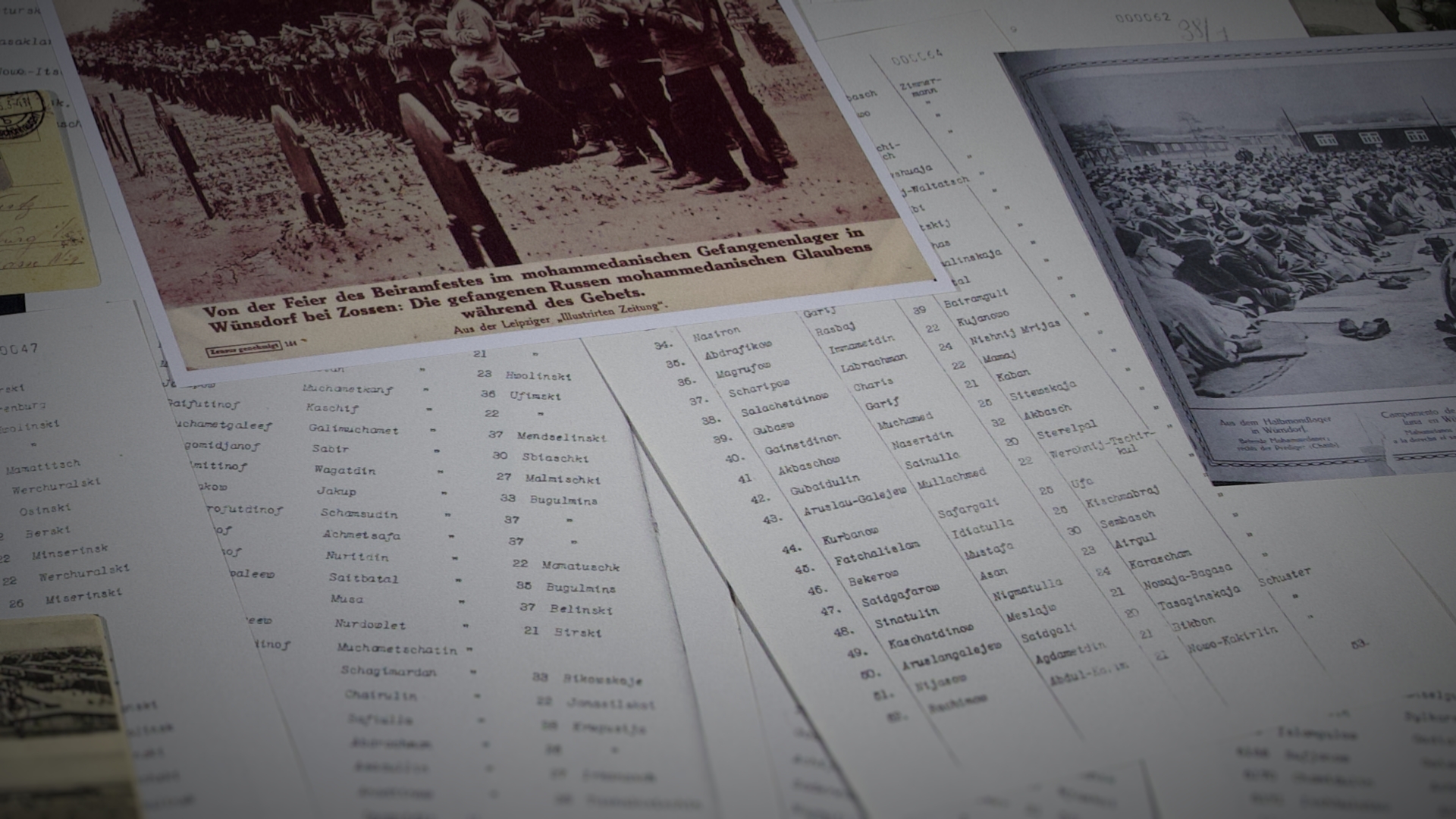
Propaganda and Betrayal: German Islamist propaganda in the Weinberge camp sought to persuade Tatar prisoners to change sides. Thousands eventually volunteered to join a Tatar battalion intended to fight alongside the Ottoman army. The project, however, was never fully realised. Tens of thousands of Tatar prisoners remained in German captivity until the end of the war and were subsequently repatriated to Russia. Many returning prisoners, suspected of collaborating with the Germans, were executed or deported to Siberia.
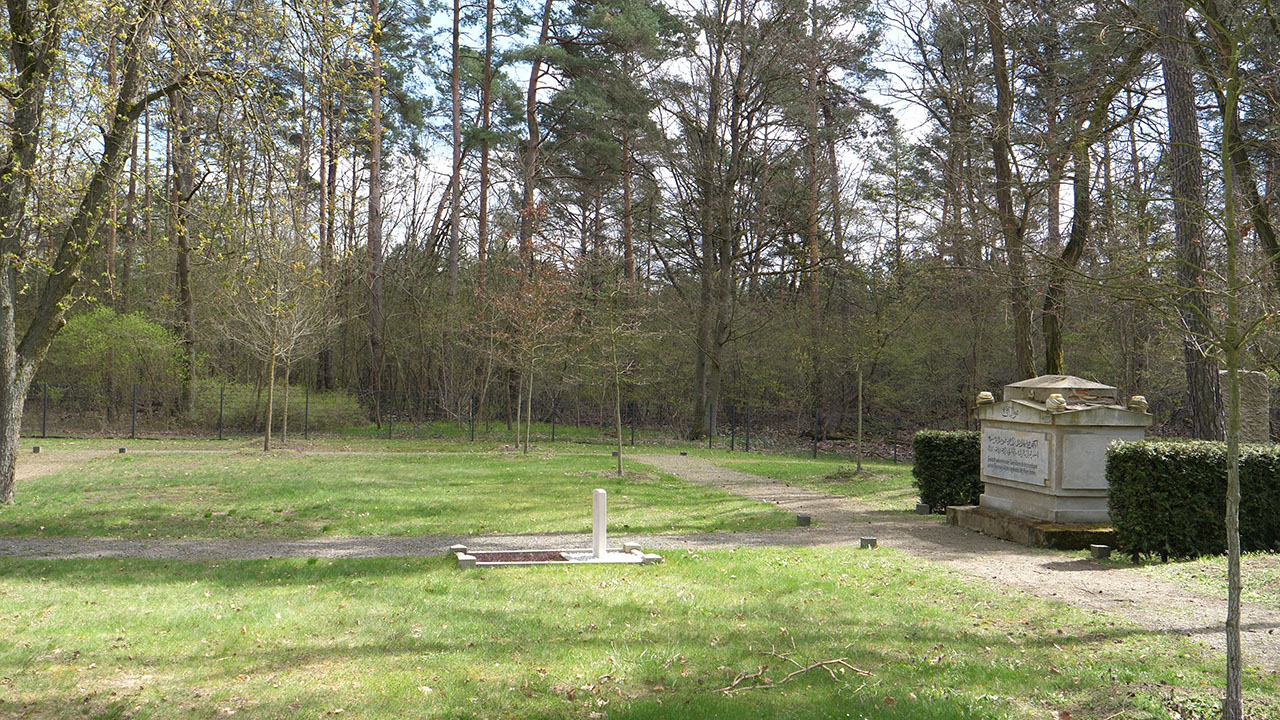
A Fragile Site of Memory: More than 400 Tatars were buried in the Zehrensdorf cemetery near Zossen, south of Berlin, together with other prisoners who died in the camps. After the Second World War, the site became part of the Soviet military exclusion zone. During the Soviet occupation, the cemetery was devastated and the Tatar graves were erased from view.

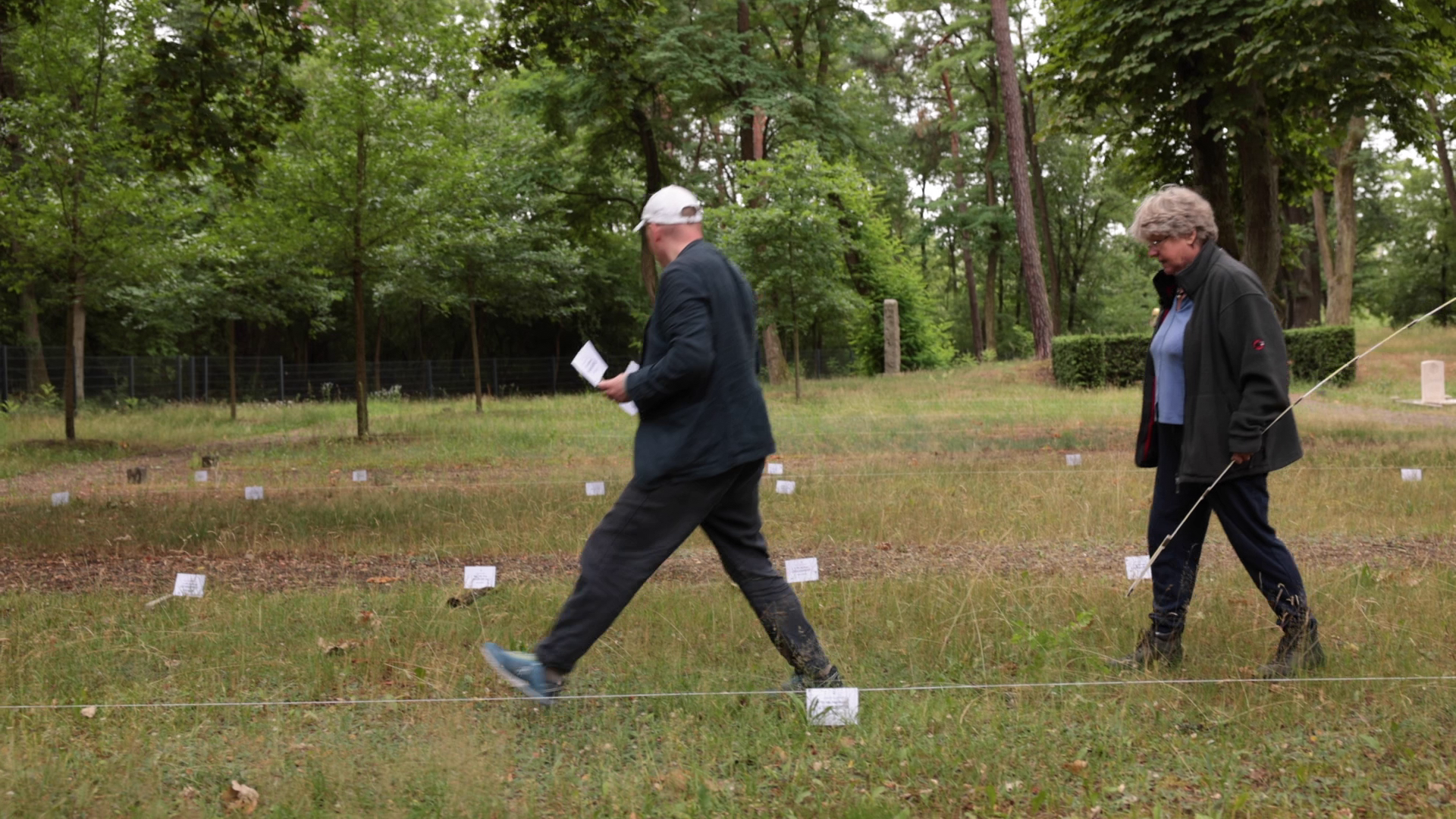
Reconstruction: Using previously unpublished archival documents, the film team reconstructs the cemetery and seeks to locate and identify the graves of the Tatar prisoners buried at Zehrensdorf.
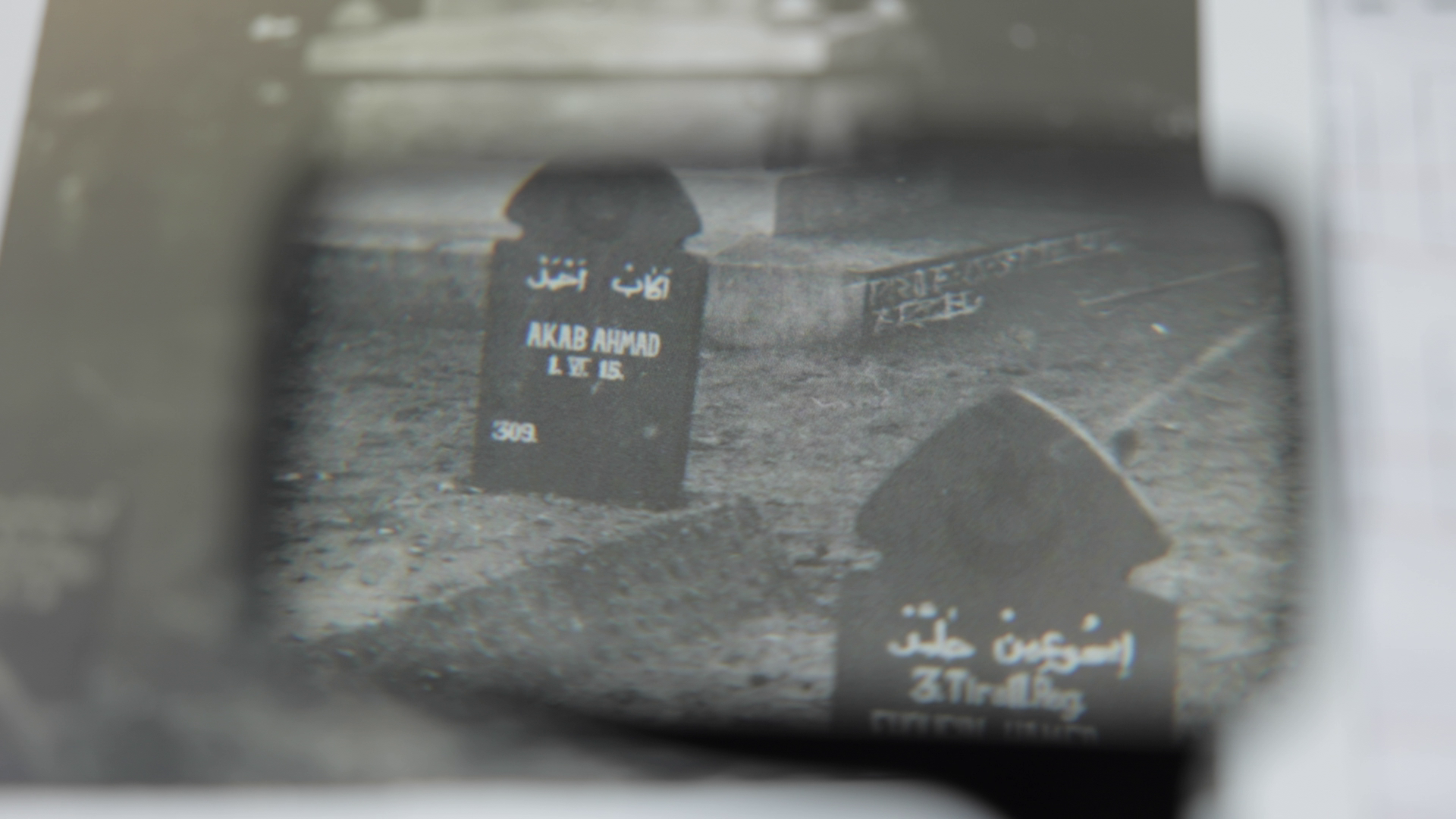
An Act of Remembrance: As part of the film research, the graves of more than 400 individuals were identified, making it possible to commemorate those whose identities and burial places had long been forgotten.
Presskit
Trailer 1: https://vimeo.com/903762511
Trailer 2: https://vimeo.com/1184574611
Expose: How to spell Empire – Expose (PDF)
Poster: How to spell Empire – Poster (PDF)
Stills: How to spell Empire – Stills (ZIP)
Gerdien Jonker / Markus Schlaffke
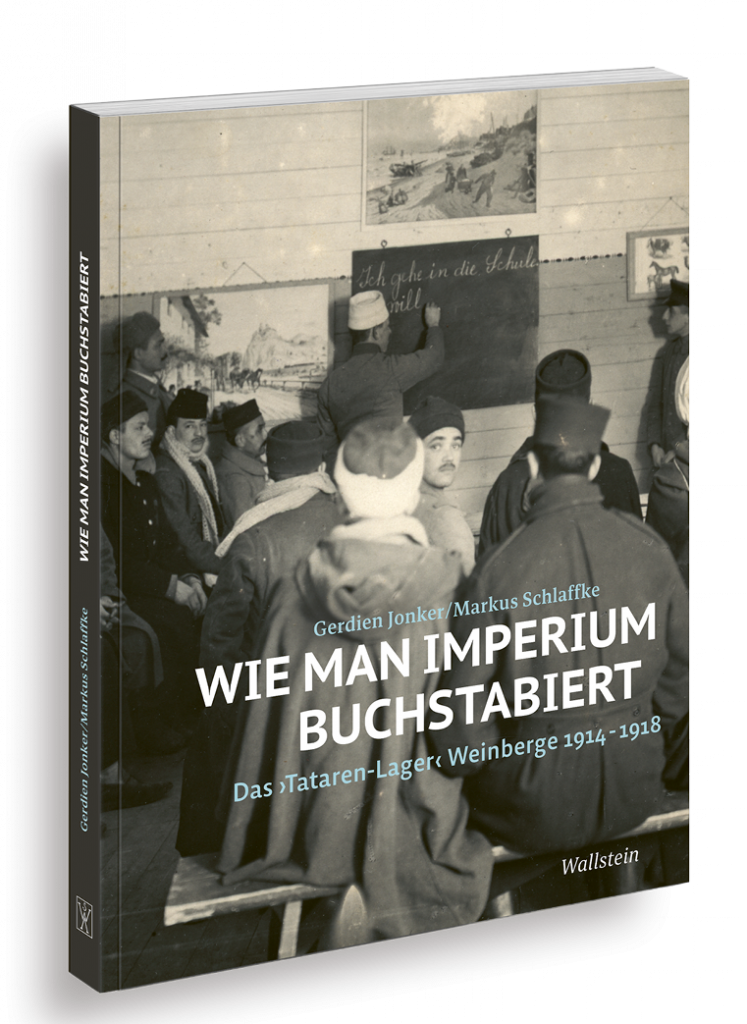
WIE MAN IMPERIUM BUCHSTABIERT
Das ›Tataren-Lager ‹ Weinberge 1914 - 1918
Am 19. November 1914 riefen Deutschland und die Türkei gemeinsam zum ›Jihad‹ gegen Russen, Briten und Franzosen auf. In Deutschland entstanden islamistische Propagandalager, in denen muslimische Kriegsgefangene für die deutsch-türkische Allianz gewonnen werden sollten.
Die 18.000 russisch-muslimischen Kriegsgefangenen im Weinberglager in der Nähe von Berlin bekamen diese Politik am eigenen Leib zu spüren. Ihre Bewacher versuchten sie mit ›islamischer‹ Propaganda zu ködern. Die Gefangenen entwickelten indes Strukturen, um westliche Bildung zu erwerben. So buchstabierten sie ihre Rolle in der imperialen Ordnung und bereiteten ihre Unabhängigkeit vor.
„In recovering lives and voices long obscured by the politics of selective forgetfulness, Jonker and Schlaffke invite us to confront the dissonant, plural layers of dominant historical narratives.“
Dr. Gulnaz Sibgatullina (University of Amsterdam)
in Die Welt des Islams (2025)
https://www.wallstein-verlag.de/9783835358201-wie-man-imperium-buchstabiert.html
Contact
Schaumäler documentary art&science UG
Telefon: +49 (0)179-9205389
Mail: markus.schlaffke@schaumaeler.de